Introduction to Woodworking: A Simple Start
Woodworking can seem overwhelming with its technical jargon and array of tools, especially if you're just starting out. However, at Horizon Woodworking LLC in Bloomfield, NM, we believe anyone can grasp the basics and start enjoying the craft. This guide will break down essential woodworking concepts into simple terms, ensuring you have a solid foundation to begin your DIY projects.
Wood Types: What You Need to Know
Hardwoods vs. Softwoods
The first step in any woodworking project is selecting the right type of wood. Broadly, wood falls into two categories: hardwoods and softwoods .
Hardwoods come from deciduous trees, like oak and maple. They are typically denser and more durable, making them ideal for furniture and flooring. Softwoods , such as pine and cedar, come from coniferous trees and are generally less dense, making them easier to work with for beginners.
Wood Grain and Texture
Understanding wood grain and texture is crucial for achieving the desired look and structural integrity in your projects. The grain refers to the alignment, texture, and appearance of wood fibers. Grain direction can affect the strength and stability of your finished product, so it's important to pay attention to this when planning cuts and assembly.
Essential Tools for Beginner Woodworkers
Basic Hand Tools
- Hammer: Used for driving nails into or pulling them out of wood.
- Screwdriver: Essential for fastening screws, which are common in many woodworking projects.
- Hand Saw: Ideal for making straight cuts without the need for power tools.
Power Tools
Once you’re comfortable with hand tools, you might want to explore power tools for more efficiency and precision.
- Drill: Versatile for making holes and driving screws quickly.
- Jigsaw: Allows for cutting curves and intricate shapes with ease.
- Sanders: Useful for smoothing surfaces and preparing wood for finishing.
Safety Tips: Protecting Yourself and Your Work
Safety should always be a priority in woodworking. Here are a few fundamental safety tips:
- Always wear safety glasses to protect your eyes from flying debris.
- Use ear protection when operating loud machinery.
- Ensure your workspace is clean and organized to prevent accidents.
- Follow manufacturer guidelines and operational instructions for all tools.
Basic Woodworking Techniques
Measuring and Marking
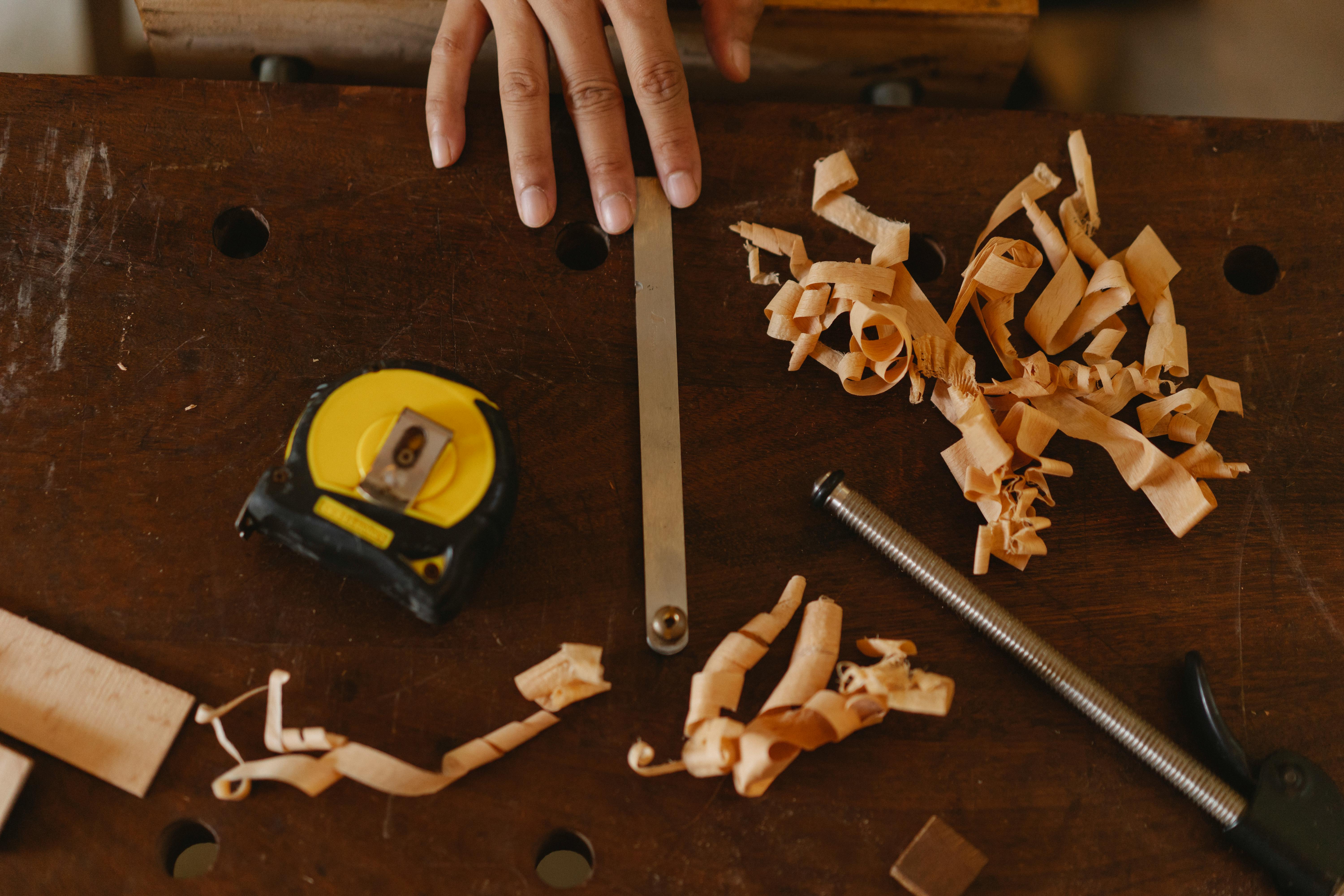
Accurate measurements and markings are the backbone of successful woodworking. Use a reliable tape measure and a square for precision. Mark your cuts clearly with a pencil before cutting.
Cutting and Assembly
When cutting, ensure you have a stable work surface. For assembly, consider the use of clamps to hold pieces in place as you fasten them together. Remember, precision here ensures the sturdiness and aesthetic of your final piece.
Finishing Touches: Sanding and Staining
Sanding smooths the surface and prepares it for staining or painting, which can protect the wood and enhance its visual appeal. Choose a stain that complements your wood type and the intended use of your project.
Conclusion and Next Steps
Starting with woodworking can be incredibly rewarding, offering both a creative outlet and practical skills. At Horizon Woodworking LLC, we're here to help Bloomfield beginners every step of the way, from selecting materials to finishing touches. Explore our workshops or consult with our experts to further deepen your woodworking skills.
Ready to dive in? Visit our shop in Bloomfield, NM, or check out our online resources to continue your woodworking journey with confidence!